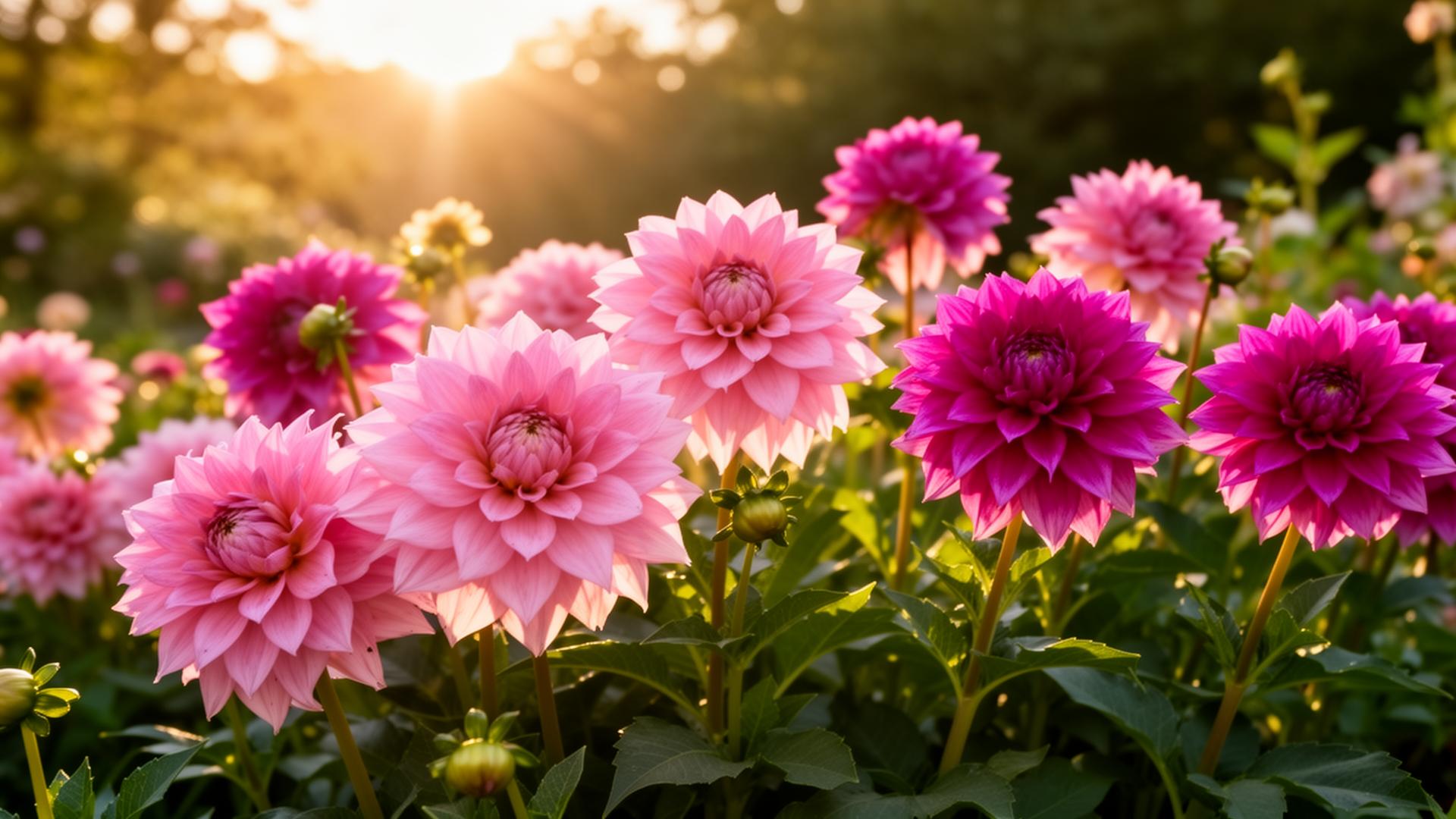
The Complete Guide to Planting Dahlias
There's a moment every spring when the soil finally warms past 60°F and the whole garden feels like it's holding its breath. That's your cue. Dahlia tubers are remarkably forgiving, but getting the planting right sets the stage for a spectacular summer display.
Choosing Your Site
Dahlias are sun worshippers. They need a minimum of six hours of direct sunlight daily—eight is better. In hot climates (zones 9–10), afternoon shade can prevent scorching, but morning sun is non-negotiable. Pick a spot with good air circulation to keep powdery mildew at bay.
Soil Preparation
The ideal dahlia soil is loose, well-drained, and slightly acidic to neutral (pH 6.0–7.0). Heavy clay? Work in plenty of compost to open it up. Sandy soil drains too fast—work in aged compost to boost water retention. A soil test from your local extension office is worth every penny.
Work your amendments into the top 12 inches of soil. Dahlias develop surprisingly deep root systems, and a fluffy planting bed encourages the strong feeder roots that fuel those dinner-plate blooms.
Planting Depth & Spacing
Plant tubers horizontally, 4–6 inches deep, with the eye (growing point) facing up. Spacing depends on bloom form:
- Dinnerplate varieties (10"+): Space 24–30 inches apart
- Medium varieties (6–10"): Space 18–24 inches apart
- Pompons and balls (under 4"): Space 12–15 inches apart
Don't crowd them—good airflow prevents disease and lets each plant develop its full canopy.
Staking at Planting Time
Here's a tip most new growers learn the hard way: stake at planting time. Drive a sturdy 4–5 foot stake next to the tuber before you backfill. Trying to stake a 4-foot dahlia in August risks spearing the tuber cluster underground. Bamboo works, but rebar or metal T-posts are sturdier for dinnerplate varieties.
The First Watering
This is where restraint pays off. After planting, give the bed a thorough soaking—then stop. Don't water again until you see green shoots emerge, which can take 2–5 weeks depending on soil temperature. Overwatering dormant tubers is the number-one cause of rot. The tuber contains enough stored energy and moisture to initiate growth on its own.
Timing by Zone
Plant after your last frost date, once soil temperatures hold above 60°F. As a rough guide by zone:
- Zones 3–5: Late May to early June
- Zones 6–7: Mid to late April
- Zones 8–9: March to early April
- Zone 10: February (or year-round with care)
Starting tubers indoors 4–6 weeks before your outdoor date gives you a head start on blooms, but isn't required. Direct planting works beautifully for most growers.
What Happens Next
Once shoots emerge and reach 12 inches, pinch the center growing tip to encourage branching. This single act can double your bloom count. From there, it's a rhythm of watering deeply (1 inch per week), feeding every 2–3 weeks with a low-nitrogen fertilizer, and watching the magic unfold.
There's nothing quite like cutting your first dahlia of the season. That moment when months of anticipation meet a bloom so perfect it almost doesn't look real—that's why we grow dahlias.
Dahlia Source
Growing guides from the Dahlia Source team.